April 7, 2026
Social Recruiting: Benefits and Tips for Hiring Better in 2026
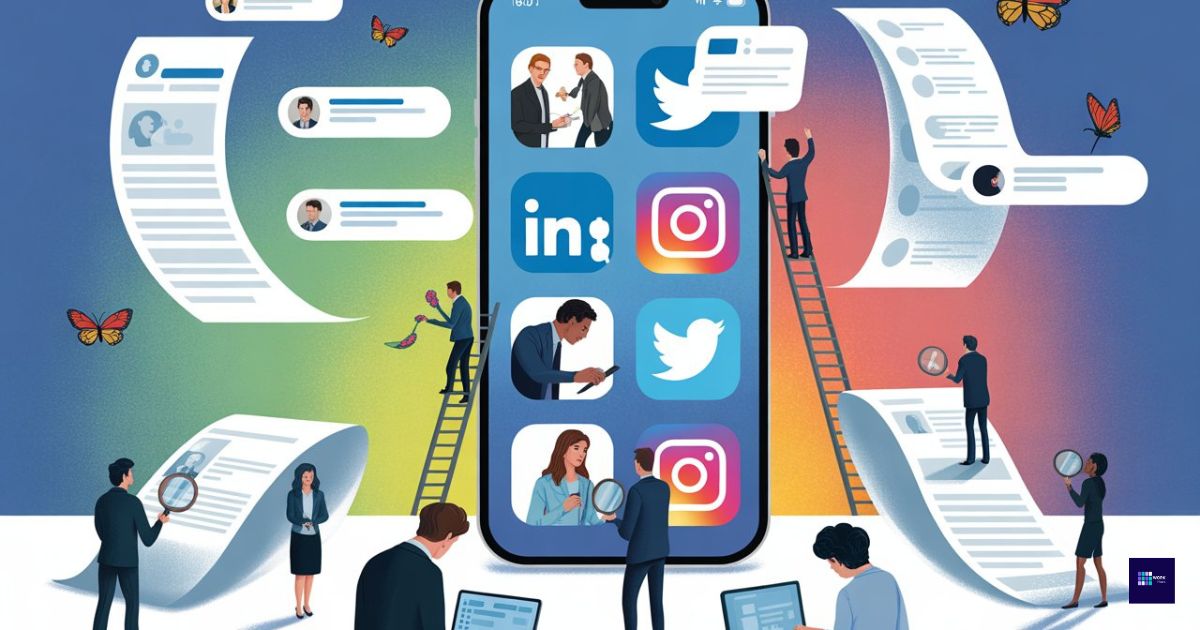
The way companies find talent has changed forever. Social recruiting is no longer a trendy experiment; it is a core strategy that smart employers rely on daily. The traditional approach of posting on job exchanges and waiting simply doesn’t cut it anymore. Today’s best candidates live on social networks like LinkedIn, Instagram, and Facebook. They’re scrolling, engaging, and forming opinions about companies long before any formal application is initiated.
A persistent shortage of skilled workers across key industries makes this shift even more urgent. Understanding how social media recruitment works and why it outperforms outdated methods gives your business a genuine, measurable edge in 2026’s fiercely competitive labor market.
Social Recruiting is one of the smartest shifts in modern hiring. It means using social networks, digital platforms, and online communities to find, attract, and hire the best talent. Unlike traditional job boards, it focuses on building real relationships with potential applicants long before they submit their application documents. AI tools and algorithm-driven feeds are reshaping every platform; this approach has never been more powerful or more necessary.
Think of it this way: traditional hiring waits for people to come to you. Social hiring taps into places where people already are. Whether it’s LinkedIn, Facebook, Instagram, or even Reddit, recruiters now meet candidates in their everyday digital spaces. This shift has completely transformed how the labor market operates today.
Social Media Recruitment doesn’t happen by accident; this approach follows a clear, intentional process. It begins with defining your ideal candidate. Then, you choose the right platform, and finally, you engage and convert. AI-assisted tools have made each of these steps faster and more precise than ever before, but the human touch still closes the deal every time.
A skilled human resource manager knows that personnel recruitment via social media requires consistency. You can’t post once and disappear. You need to show up regularly on digital channels, create content that speaks to your target group, and respond quickly when potential applicants reach out. Automation can help you scale, but at the end of the day, authenticity is still what wins trust in today’s hyper-competitive labor market.
Before posting a job, know exactly who you’re looking for. Define the skills, experience level, and cultural fit you need. Many US companies are also factoring in remote work preferences, AI tool proficiency, and cross-functional adaptability. A clear candidate search strategy prevents wasted time and ensures your outreach attracts the right people from the very start.
Not every platform works for every role. LinkedIn suits corporate and senior-level positions perfectly. Instagram attracts creative talent, especially digital natives. This is the younger workforce who grew up online. Facebook works great for local hiring and blue-collar roles.
TikTok has also emerged as a serious recruiting channel for Gen Z talent, with short-form video job posts generating millions of organic views. Match your platform to your target group and create content that genuinely reflects your company culture.
Posting is just the beginning. Real social recruitment takes place in the comments, the DMs, and the replies. Personalized messages beat copy-paste templates every single time.
Candidates can spot AI-generated outreach instantly, so you cannot let go of the human element. You can do so by referring to something specific about the candidate’s user profiles. Keep your tone warm and genuine. This warm and informal communication style is what makes candidates feel valued and not just processed.
The benefits of social recruiting go far beyond saving money. Yes, it’s cheaper than traditional job exchanges and recruitment agencies. But the real power lies in access to passive candidates, to niche talent pools, and to real-time feedback on your employer branding. With AI-powered search and hyper-personalized feeds dominating every platform, social recruiting has become even more targeted and efficient compared to what it was just a few years ago.
Here’s something recruiters rarely talk about openly. Social profiling, i.e., analyzing user profiles on platforms like LinkedIn, X (formerly Twitter), and Reddit, gives genuine insight into a candidate’s communication style, values, and professional interests. This is a huge advantage. You walk into every conversation already knowing something meaningful about the person, hence making personal contact feel more approachable and less cold.
According to a report by LinkedIn, over 73% of the global workforce consists of passive candidates. These are skilled professionals who aren’t browsing job exchanges today but are open to considering the right opportunity. Active sourcing on social platforms lets you reach this invisible talent pool directly. In a tight labor market defined by a persistent shortage of skilled workers, this access isn’t just convenient – it’s essential.
Organic social hiring costs next to nothing. Even paid banner ads on platforms like Facebook or Instagram are far cheaper than print advertising or agency fees. The addition of AI-assisted targeting has made paid social ads even more cost-effective, delivering better candidates at a lower expense than ever before.
Direct messaging removes the middleman entirely. When a recruiter spots a strong candidate on LinkedIn or X, they can start a conversation the same day. No waiting for applications to roll in. No sifting through hundreds of irrelevant CV submissions. Social Media Recruitment compresses the hiring timeline substantially. AI pre-screening tools integrated directly into platforms like LinkedIn can cut that timeline even further.
Every post you publish has a brand impression. Every reply you write shapes how candidates perceive you. Companies that invest in employer branding through social media consistently attract better talent. According to LinkedIn, 78% of job seekers now research a company’s social media presence before applying. Your career page and social profiles are their very first stop. Make them impossible to ignore.
Traditional recruiting relies heavily on job exchanges, printed job advertisements, and expensive agency relationships. It’s slow. It’s costly. And it consistently misses the best candidates, i.e., the ones who aren’t actively searching. Social recruitment flips this model completely. Instead of waiting, you go out and find talent where it actually lives – on their phones.
Speed is where social recruiting truly shines in 2026. A well-crafted LinkedIn post, a targeted Facebook ad, or a TikTok job video can generate quality applications within hours. Traditional methods rarely come close to that pace. The ongoing shortage of skilled workers across tech, healthcare, logistics, and manufacturing in the US makes this speed advantage not just helpful but genuinely critical to business survival.
Social recruiting doesn’t just find candidates faster. It finds better ones. Because you’re targeting specific user profiles and social networks, meaningful filtering happens before the application even arrives. Active sourcing targets precisely and delivers consistently, while traditional methods broadcast widely and hope for the best. But here’s what we must understand: in a market that’s this competitive, hope is not a strategy.
Platform choice is everything in 2026. Post the wrong job on the wrong platform, and you’ll generate zero results, or worse, attract the wrong audience entirely. Each platform has a distinct personality, a distinct algorithm, and a distinct target group. Understanding this is the foundation of any strong social hiring strategy in today’s fast-moving labor market.
LinkedIn dominates for professional roles. Facebook wins for local and hourly hiring. Instagram connects with creative industries and younger digital natives. Reddit communities like r/forhire offer niche candidate pools for technical and specialized roles. TikTok has exploded as a recruiting channel, with the hashtag #JobTok accumulating billions of views. Even WhatsApp broadcast lists and YouTube career channels are now standard tools in sophisticated recruiting arsenals.
LinkedIn remains the undisputed leader among professional social networks globally. With over 252 million US users in 2026, it gives recruiters direct access to verified professional user profiles, detailed work history, skills endorsements, and peer recommendations. LinkedIn’s AI-powered recruiter tools now suggest candidates proactively before you even run a search. If you’re hiring for corporate, tech, finance, or senior leadership roles, LinkedIn is still your most powerful single platform.
Facebook remains one of the largest social platforms globally. Its job advertisement features let companies post openings and target them by location, age, and interest, making it ideal for retail, hospitality, and local service businesses.
Instagram is where employer branding truly comes alive through reels, stories, and employee takeovers. And TikTok, the defining platform of 2026 recruiting, lets companies display culture in 60-second videos that reach millions of digital natives organically.
Active sourcing is proactive recruiting at its finest. Instead of waiting for potential applicants to find your job advertisements, you go out and identify them first. AI tools on platforms like LinkedIn and Xing make this process faster and more accurate than ever, flagging ideal candidates based on skills, behavior patterns, and even content engagement history. But the outreach itself still needs to be unmistakably human.
Internet sourcing takes a slightly different approach. Here, companies use social profiling and targeted banner ads across digital channels to reach people who match their target group, even if those people aren’t actively job hunting. It’s the recruiting equivalent of precision marketing. You’re planting seeds with passive candidates who may become your strongest hires six months down the line. Patience combined with smart targeting is a devastating competitive advantage.
Introverted candidates or shy candidates often don’t apply, even if they’re perfectly qualified. The natural loss of inhibitions that social media creates gives recruiters a unique opening that simply doesn’t exist in traditional hiring. A warm, personalized message on LinkedIn or Instagram can reach someone who would never walk into a job fair or cold-call a human resource manager.
In 2026, with inboxes flooded by AI-generated messages, true personalization stands out like a lighthouse. Keep it short. Reference their actual work. Show real personal contact and genuine curiosity. That human approach converts far better than any automated sequence ever will.
Employer branding is no longer optional; it’s the engine behind every successful social hiring strategy. Today’s candidates, especially digital natives born after 1997, research companies with remarkable thoroughness before even applying. They scroll your Instagram, binge your YouTube career content, read your LinkedIn posts, and hunt Reddit threads about your actual workplace culture. What they find either draws them in permanently or sends them straight to your competitor.
Becoming an attractive employer online requires two things above everything else: consistency and authenticity. Share real employee stories. Post team wins and honest challenges. Show what a Tuesday afternoon actually looks like at your company, not a staged photo shoot version of it. This kind of content costs little to produce but delivers outsized results over time. Relationship building starts long before a candidate ever submits their application documents. It starts the moment they first encounter your brand while scrolling at 10:00 p.m.
Here’s a secret: your current employees are your most credible and cost-effective recruiters. When they share job advertisements, post genuine team culture content, or simply talk positively about their work on social networks, they extend your reach into communities no paid ad can access.
Peer-driven promotion carries far more weight than any corporate banner ad because people trust people, not logos. Encourage employee advocacy actively. Make sharing easy. The compounding effect on your personnel recruitment pipeline will surprise you.
Launching a strong social recruiting strategy doesn’t require a massive team or an enterprise budget. It requires clarity, consistency, and genuine commitment to interaction with your audience. Start with a full audit of your existing social profiles today. Google your own company name right now. See exactly what potential applicants encounter first. Ensure you have carefully crafted job descriptions for each role. Fix what’s broken before you create a single new piece of content.
From there, build a realistic content calendar. Aim for three to five posts per week across your chosen platforms. Mix job advertisements with culture content, employee spotlights, industry insights, and behind-the-scenes moments. This variety keeps your audience engaged and your brand top-of-mind. Even small US businesses with lean resources can compete at a high level when their strategy is clear, their content is authentic, and their follow-through is consistent.
Even a modest daily budget of US$10 or US$15 on Facebook or LinkedIn paid ads can dramatically extend your reach. Target by location, job title, education level, industry, and behavioral interests. Layer AI-powered recruitment tools like LinkedIn’s Talent Insights on top of your organic efforts to surface passive candidates your competitors will never find manually.
Use UTM links on every post to track which digital channels deliver the best potential applicants. Monitor cost-per-hire, application rate, and time-to-fill weekly. Data drives better decisions. Better decisions build stronger personnel recruitment pipelines. And stronger pipelines built consistently over time become your most durable competitive advantage in any labor market condition.
The labor market in 2026 is more competitive, more complex, and more digital than at any point in history. The shortage of skilled workers across tech, healthcare, logistics, and manufacturing shows no signs of easing. Social recruiting gives employers a smarter, faster, and more genuinely human way to find the talent they urgently need. It combines the precision of social profiling, the reach of social networks, and the warmth of real relationship building into one cohesive and scalable strategy.
Start today. Pick one platform. Publish one authentic piece of content. Engage with one new potential applicant this week. The results will follow, and they compound every single week you show up with consistency and care. The best hires of your career are already out there right now on LinkedIn, Instagram, Facebook, and TikTok. The only question is, will you be able to find them before your competitors?
The 5 Cs are Competency, Character, Culture fit, Compensation, and Commitment. These are the five factors that determine whether a candidate is truly the right long-term hire.
The 70/30 rule means 70% of your hiring focus should target active candidates, while 30% targets passive candidates, balancing immediate needs with long-term talent pipeline building.
Social media recruiting lowers hiring costs, speeds up time-to-fill, expands your reach to passive candidates, and naturally strengthens your employer branding with every single post.
The 80/20 rule means 80% of your best hires will come from just 20% of your sourcing efforts, so focusing on your highest-performing channels delivers the greatest results.
The 3 3 3 rule means dedicating three hours to your most important task, three hours to secondary tasks, and three hours to smaller responsibilities, hence keeping your workday focused and productive.