July 8, 2026
HR Checklist for Startups: 10 Steps to Build Your HR Function
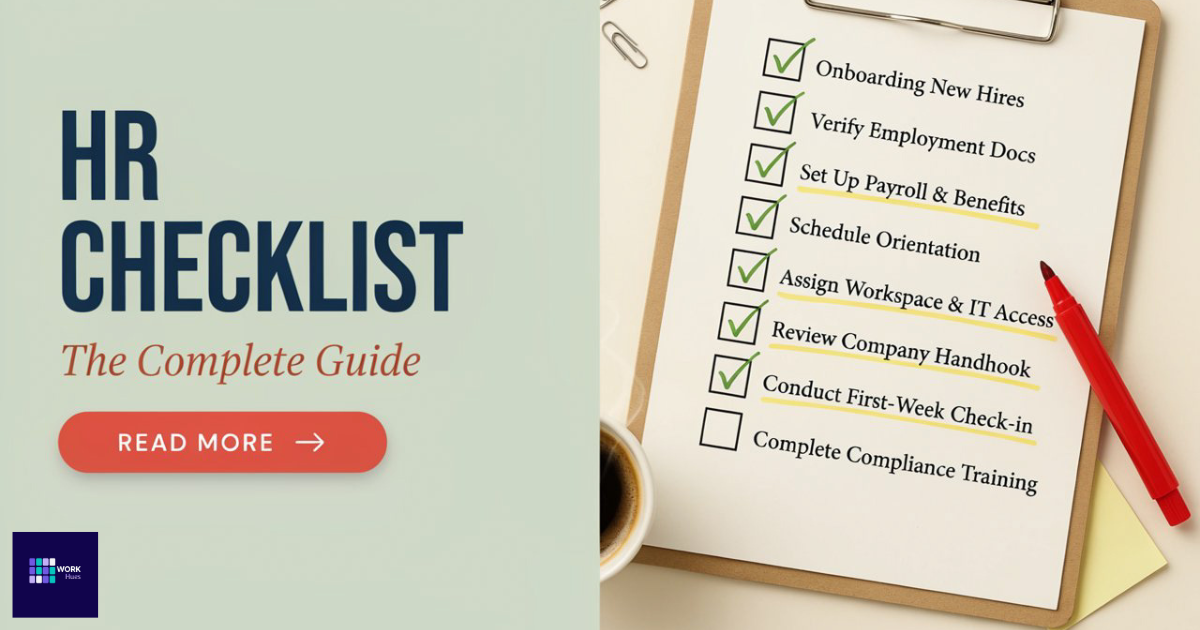
Starting a company is exciting, but HR often gets pushed to the bottom of the list. Between fundraising, product launches, and daily fires, founders forget that people problems can sink a startup just as fast as cash flow problems. This is where a simple HR checklist comes in. It covers the HR fundamentals every founder needs, from your first org chart to your first hire. A strong checklist keeps HR compliance on track, turns employee onboarding into a smooth process instead of a scramble, and helps you choose the right HR software before you actually need it.
You don’t need a big HR department to run things well. You need structure. A clear HR checklist for startups stops founders from missing legal deadlines or making bad hires. Skip this, and small mistakes turn into expensive problems fast. Remember, even a CEO, CTO, or CFO wearing the HR hat needs a system.
Firms like Deloitte often remind growing companies that early HR compliance habits shape long-term company culture. Get the basics right now, and you save time, money, and stress later. Our checklist below gives you a starting point to follow in your company.
Every company needs structure. Draw an org chart / organizational structure before things get messy. Think about who reports to whom, and where new roles will fit. This will serve as the skeleton of your company.
Workforce planning means thinking ahead. Will you need a CMO next year? A fractional CFO before you can afford a full-time one? Planning early for Gen Z, Gen Y, and even future Gen Alpha workers helps you build a team that lasts.
Nobody dreams about paperwork, but skipping it invites trouble. Register your business, get your IRS forms sorted, and lock in worker classifications early. Employment contracts should be clear from day one, spelling out at-will employment terms where they apply.
Don’t forget insurance. Workers’ comp and general liability insurance protect your business and your people. Add a probationary period clause to new contracts and ensure your data privacy policy and document retention rules comply with current laws. This step is the safety net under everything else.
Great hires rarely happen by accident. A strong hiring process starts with honest job descriptions written in plain language. Use an applicant tracking system (ATS) to keep candidates organized instead of losing resumes in your inbox.
Run structured interviews so every candidate answers the same core questions. This supports fair hiring practices and cuts down on bias. Always run a background check before sending the final offer letter. A messy hiring process wastes time and scares off good talent.
First impressions matter, especially for new hires. A thoughtful employee onboarding plan turns nervous newcomers into confident team members within weeks. Map out day one, week one, and the first ninety days clearly.
The new hire experience sets the tone for how long someone stays. Use tools like Slack to welcome new employees and keep communication open from the start.
Money mistakes destroy trust fast. Pick reliable payroll software that handles payroll tax filing, direct deposit, and forms without drama. Platforms like QuickBooks and Xero are popular choices for small teams managing both payroll and books.
Build a clear comp philosophy using real salary benchmarks from tools like Levels.fyi or Pave. Compensation and benefits packages should also include perks that matter today, such as a wellness stipend or parental leave. Employees notice when pay feels random, so bring clarity to every number you offer.
| Tool | Best For |
| QuickBooks | Payroll plus bookkeeping |
| Xero | Accounting-first startups |
| TalentHR | All-in-one HR software / HRIS |
| Levels.fyi / Pave | Salary benchmarks and comp philosophy |
Rules don’t need to feel cold or corporate. A simple employee handbook sets clear expectations around conduct, leave, and work style. Include a plain-language code of conduct so everyone knows what is expected.
Since many teams now work from home, a remote work policy is a must-have, not a nice-to-have. Some founders use AI policy generators to draft first versions of these documents quickly, then edit them for their own company culture. Review the handbook every year as your startup grows.
Trust your team, but track things anyway. Reliable time-off tracking / PTO tools keep payroll accurate and requests organized. Nobody wants to argue over vacation days months after the fact.
Some startups now offer unlimited PTO as a hiring perk, especially to attract younger talent like Gen Z employees. Whatever policy you choose, write it down clearly and apply it the same way for everyone.
People do better work when they know where they stand. Lightweight performance management, paired with genuine employee recognition, keeps morale strong even in a scrappy startup. A quick shoutout in Slack costs nothing but means a lot.
Set clear OKRs / KPIs so goals are measurable, not vague. Combine regular feedback with public recognition, and watch employee engagement grow steadily through the year. This step is often skipped early on, but pays off greatly with retention.
Growth-minded employees want more than a paycheck. Offer modest learning and development (L&D) opportunities, even informal ones like an online course through an LMS (Learning Management System). This signals real investment in your people.
Pair this with a central HR software / HRIS platform like TalentHR, which brings records, reviews, and onboarding into one place. Many of these platforms now include an HR mobile app, so managers can approve requests or check records from anywhere.
Scaling a team is a different challenge than building the first one. As headcount grows past ten or fifteen people, revisit your org chart / organizational structure, your hiring process, and your compliance setup together. What worked for five people rarely works for fifty.
This is also the point where many founders bring in a fractional CFO or a dedicated HR hire to handle HR compliance full time. Growth without structure leads to confusion, so treat scaling as its own project, not an afterthought.
Building an HR function takes more than a checklist. It takes clear, well-written policies, handbooks, and job descriptions that actually get read. If you’d rather focus on running your startup, our content writing packages for startups and small businesses can handle the words while you handle the growth. Reach out today, and let’s build your HR content together.
It’s a step-by-step list of tasks that helps a business set up and manage HR functions like hiring, payroll, and compliance correctly.
They are Compliance, Compensation, Culture, Career development, and Communication – the five focus areas that keep an HR function balanced.
Recruitment, onboarding, training, performance management, compensation and benefits, employee relations, and compliance/offboarding.